Discover and learn more about
Intellis and the industry

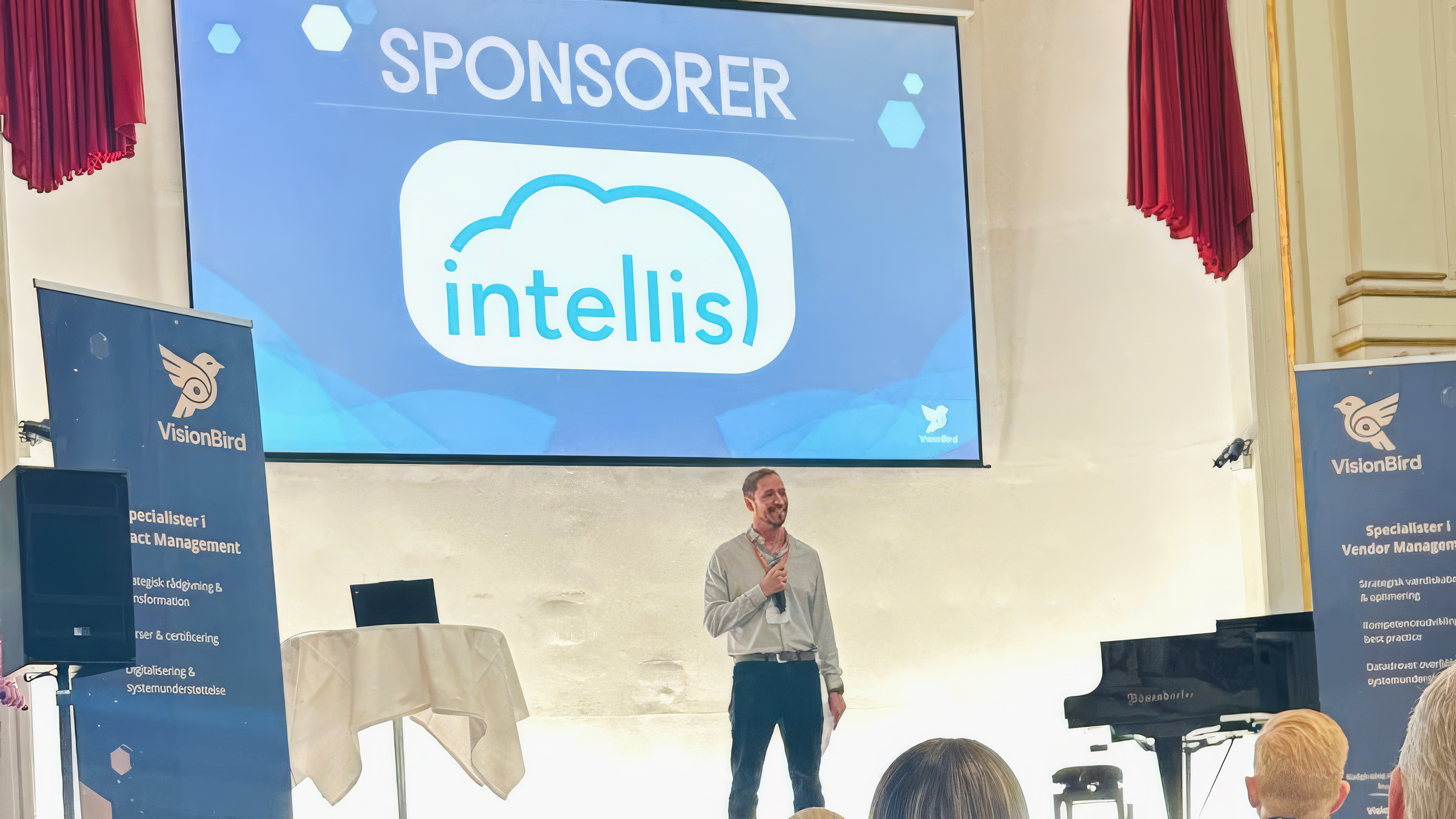

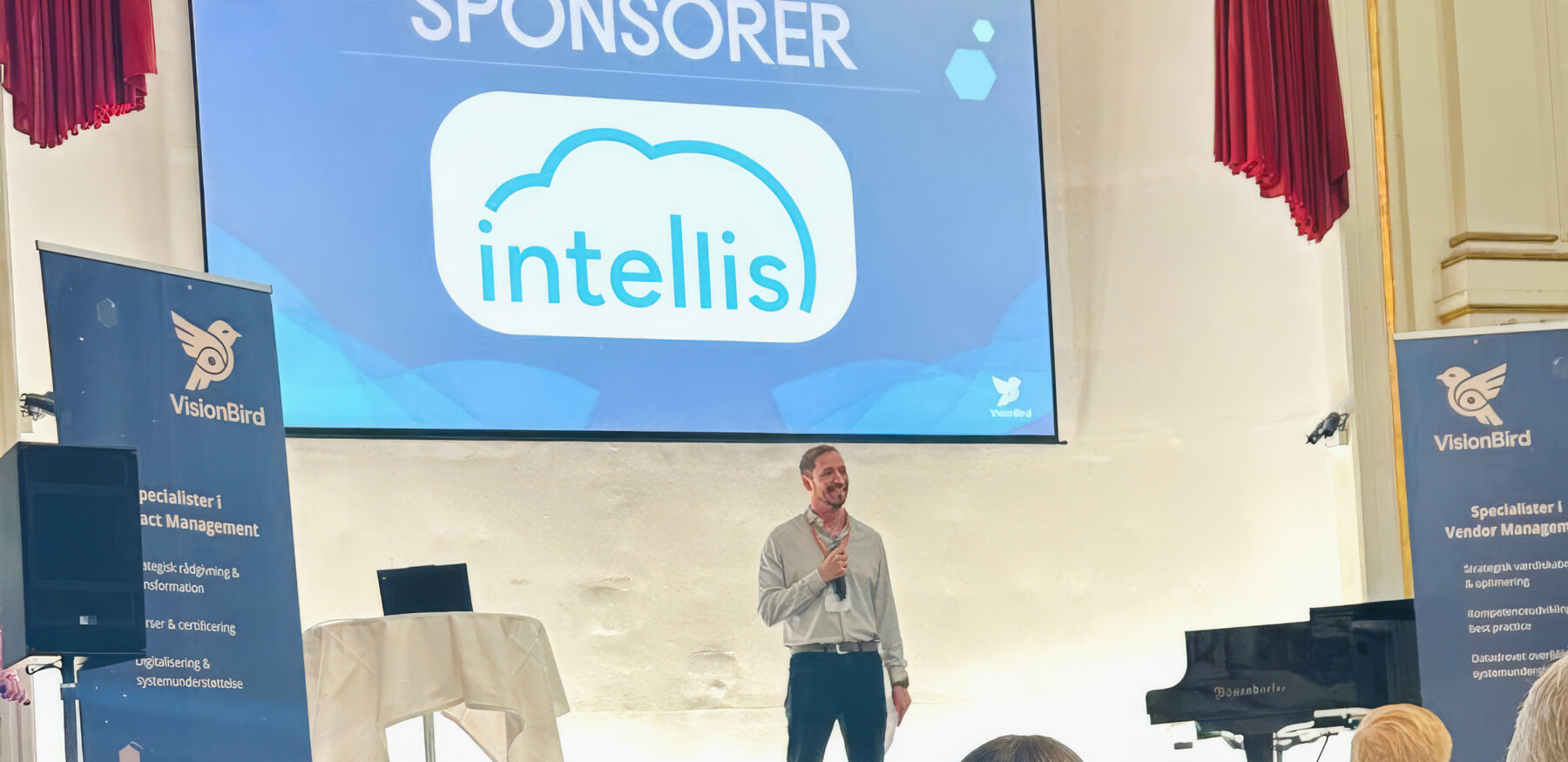
On 7 May, Intellis attended the Contract Management Conference at Odd Fellow Palace in Copenhagen.
It became a day of good conversations, practical experience and one clear shared theme: contracts should not just sit in an archive. They should be used.
Intellis joined as one of the main sponsors and took part with both a stand and a presentation.
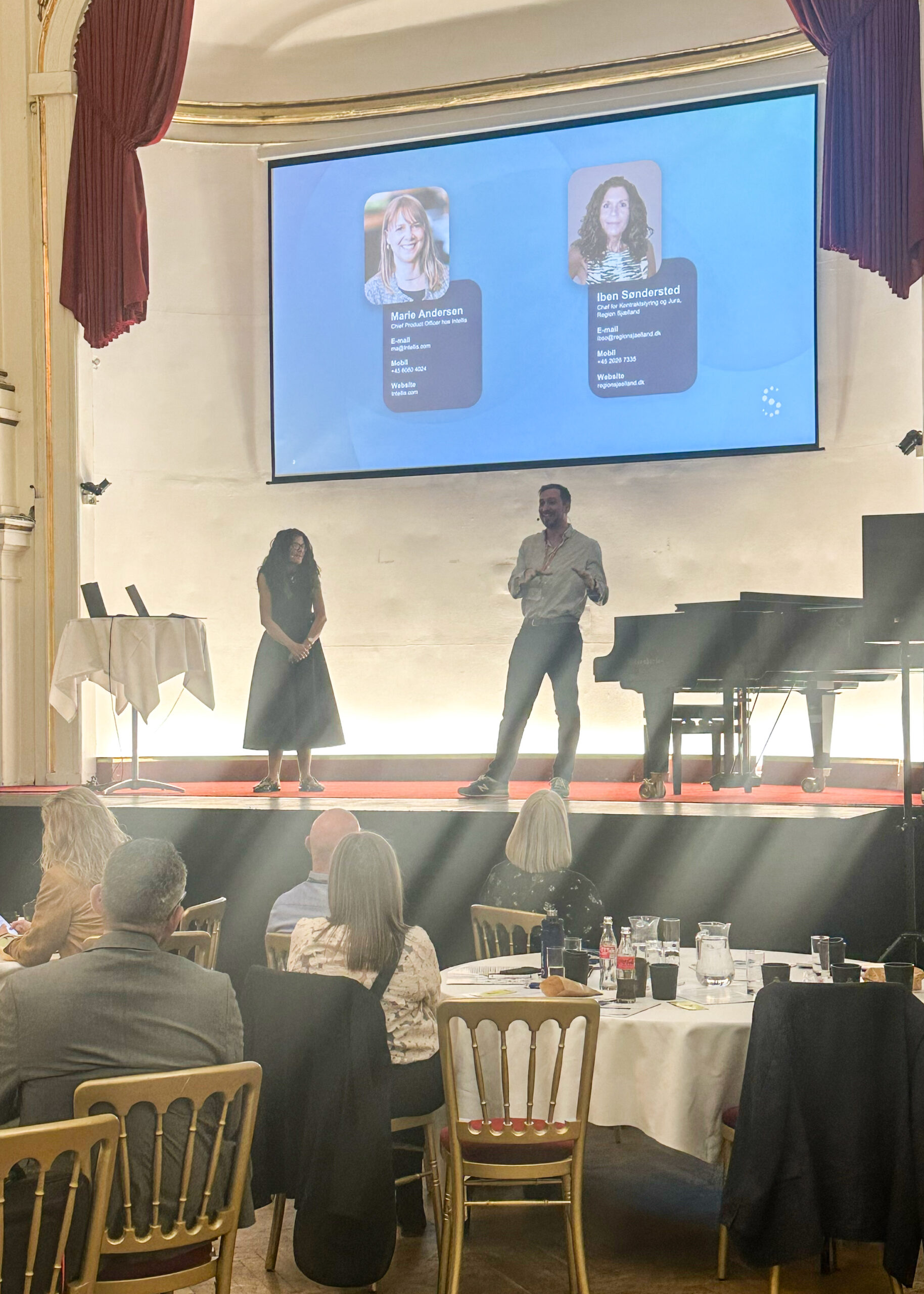
On stage, Patrick Bloem, CMO at Intellis, was joined by Iben Søndersted, Head of Contract Management and Legal Affairs at Region Zealand. Their presentation was titled: ‘From ambition to practice: Region Zealand and Intellis’.
It is a simple point. But it touches on something many organisations struggle with. Most do not lack contracts. They lack visibility. They lack clear ownership. They lack a consistent way to follow up on deadlines, deliveries, risks and obligations. And they often lack a practical link between what is written in the contract and what actually happens in everyday work.
A signed contract can feel like the end of a long process. The negotiations are finished. The terms are in place. The agreement has been stored.
But in reality, that is where the work begins.
It is not the contract that fails. It is the management around it.
As Patrick, CMO at Intellis, puts it:
If no one follows up, even a strong agreement can lose value. A price adjustment is missed. A termination notice slips under the radar. A supplier obligation is never checked. A risk is only discovered once it has become expensive.
– Patrick Bloem, CMO, Intellis
That point came up several times during the conference. Contract management is not only a legal or administrative discipline. It is a way to protect the value the organisation has already negotiated.
Another theme that took up a lot of space during the day was data.
Not as a big, abstract word. More down to earth: Which contracts do we have? Who owns them? Which suppliers are critical? Which agreements are about to expire? Where are the biggest risks? And where do we have obligations that require follow-up?
Without good contract data, the work quickly becomes reactive. You look for information once the problem has already appeared. You ask around the organisation. You hope the right person can remember what was agreed.
That rarely holds up over time.
When contract data is structured, it becomes much easier to prioritise. The organisation can see which agreements need attention now, which can wait, and where action is needed.
This is where contract management moves from being an archive to becoming a real management tool.
AI was naturally also part of the conversation at the conference.
And yes, AI can do a lot. It can help create visibility, find patterns, extract information and reduce manual work. It can be especially valuable in organisations with many contracts and complex supplier relationships.
But AI does not solve everything.
If contracts are scattered, data is incomplete, and no one knows who owns the follow-up, AI will not be a shortcut to good contract management. It will just become another layer on top of an unclear foundation.
For Intellis, this is an important distinction. Technology should make it easier to take responsibility. It should not hide the fact that responsibility is missing.
That is probably one of the most practical points in the whole AI debate. Start with data and responsibility. After that, the technology makes much more sense.
The conference also made one thing clear: contract management can no longer stand alone.
Many contracts are not only about price and delivery. They are also about data, security, access, subcontractors, regulatory requirements, ESG, reporting and business-critical dependencies.
This means that more parts of the organisation need to be involved.
Legal needs to know the risks. Procurement needs to understand the supplier’s role. IT and security need to know where the critical dependencies are. Management needs to see the full picture. And the people who work with the contracts every day need tools that make follow-up possible.
It sounds obvious. But in practice, this is often where things go wrong.
Because if the contract only lives in one department, while the consequences affect the whole organisation, management becomes too fragile.
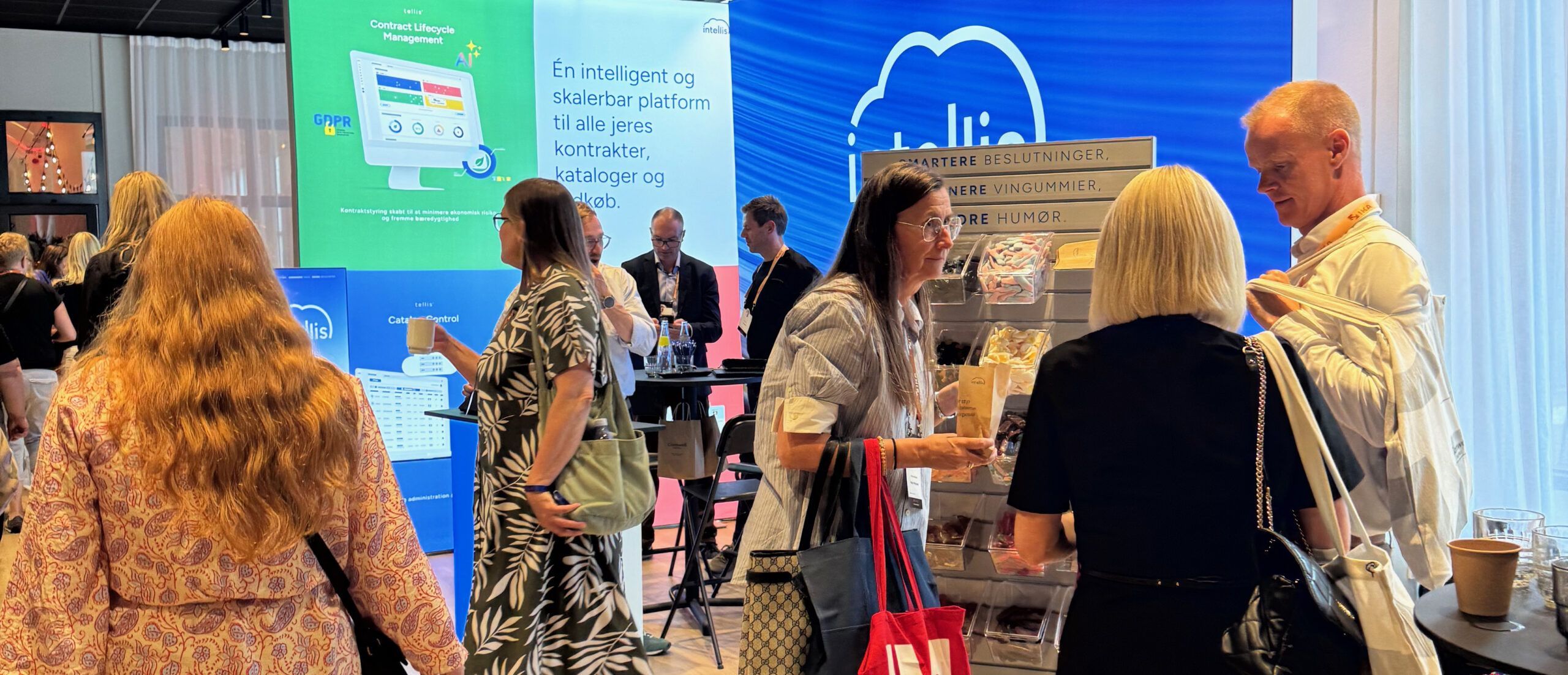
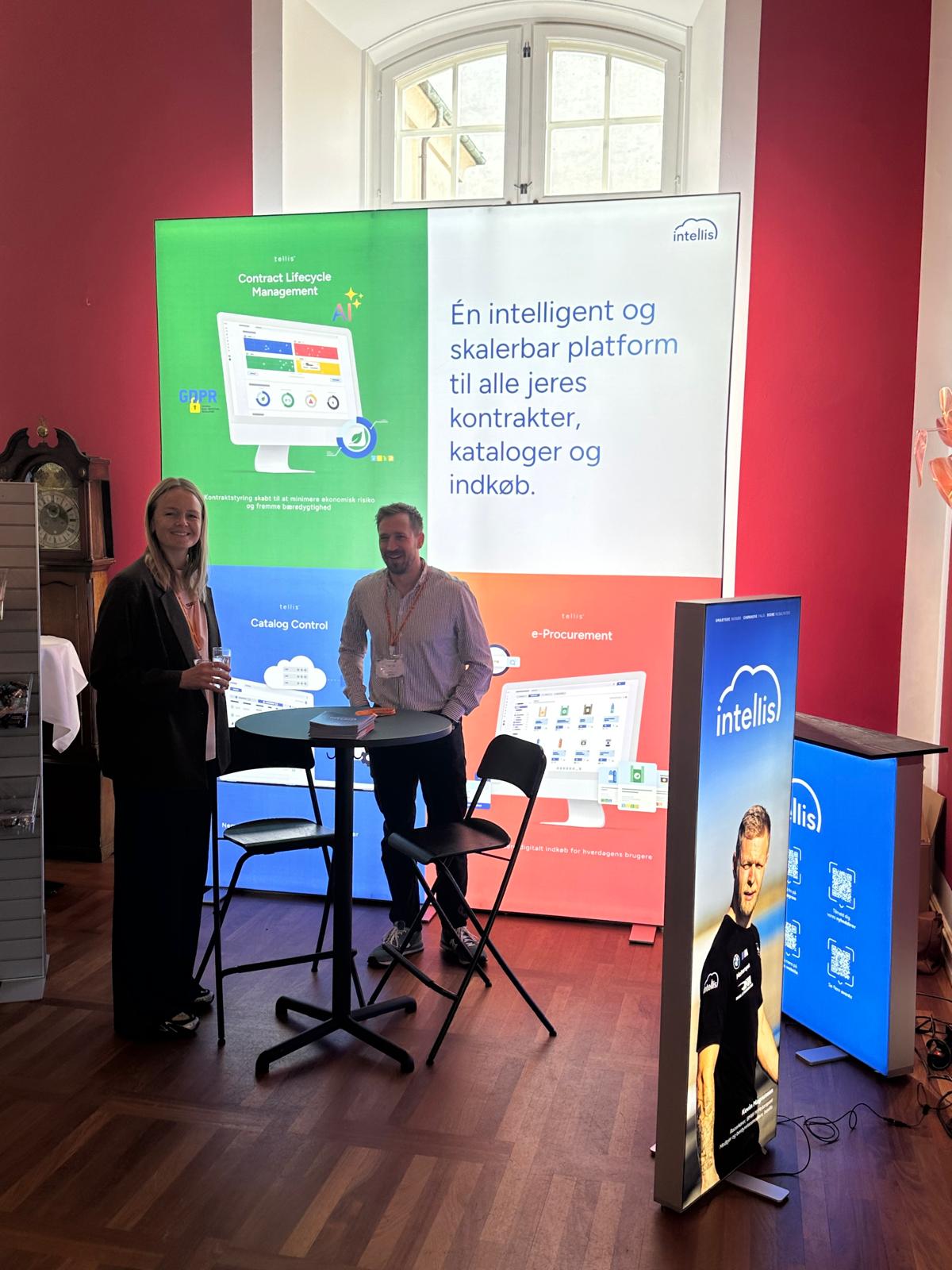
At the Intellis stand, we spoke with many people facing very practical challenges.
How do we get an overview of all contracts? How do we avoid important dates being forgotten? How do we make sure the right people get the right tasks? How do we assess risk across suppliers? And how do we do all of this without creating more administration?
That is exactly where a good contract management system should help.
Not by making the work more complicated. But by gathering information, creating structure and making it clear what needs to happen next.
With Tellis® Contract Lifecycle Management, Intellis helps organisations manage contracts more systematically. This includes visibility, risk assessment, notifications, action plans, rights, GDPR, follow-up and better management of the supplier portfolio.
The goal is simple: fewer blind spots and better decisions.
The Contract Management Conference showed that the industry is moving.
There is less talk about contracts as passive documents and more talk about contracts as something that must be worked with actively. That is a healthy development. Because the most important agreements in an organisation often affect finances, operations, compliance, security and supplier relationships.
That is why it is not enough to know where the contract is stored.
You need to know what it requires. Who owns it. When action is needed. And which risks or opportunities it contains.
Thank you for an inspiring day in Copenhagen.
We came home with many good conversations and one very clear conclusion:
Contracts are not just documents. They are agreements, responsibilities and opportunities. And when they are managed properly, they can create far more value than most organisations get from them today.
That is why we are already looking forward to next year, and to seeing where Pernille and Kelly from VisionBird take the conference next.